How Long Does Periodontal Therapy Take? Understanding the Process and Timeline
Introduction
Periodontal disease, also known as gum disease, is a common oral health issue that affects millions of people worldwide. If left untreated, it can lead to serious complications such as tooth loss and increased risk of heart disease. Fortunately, periodontal therapy is a highly effective treatment option for managing this condition. But how long does periodontal therapy take? This blog post will provide an in-depth look at what periodontal therapy is and the typical timeline for this treatment.
What Is Periodontal Therapy?
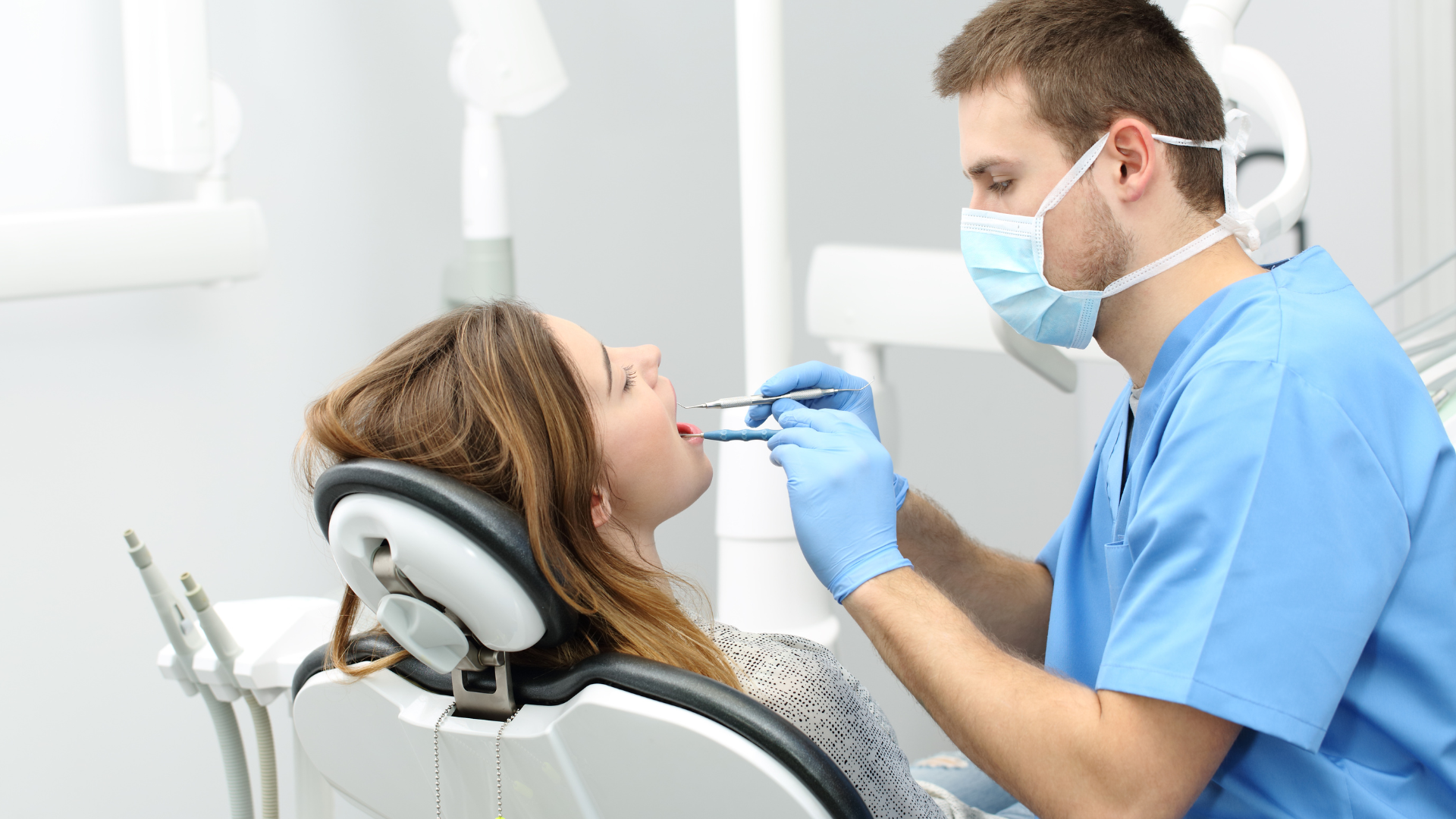
Periodontal therapy refers to a range of treatments designed to stop the progression of periodontal disease and improve oral health. The primary goal is to control bacterial infection in the gums and restore the health of tissues around the teeth.
Therapy options can vary depending on the severity of the disease. They may include non-surgical treatments like scaling and root planing (deep cleaning), surgical procedures like flap surgery (pocket reduction surgery), bone grafts, soft tissue grafts, or guided tissue regeneration.
The Duration of Periodontal Therapy
The length of time required for periodontal therapy largely depends on the severity of the gum disease and the specific treatment method used.
Non-Surgical Treatments: Scaling and root planing are typically completed in one to two visits, with each session lasting about an hour. However, follow-up appointments for maintenance cleanings are usually needed every three months.
Surgical Treatments: More advanced cases may require surgical intervention which could involve multiple visits over several weeks or even months. For instance, flap surgery might require two to four sessions with each session lasting about one to two hours. Bone grafts or tissue grafts may also require multiple appointments spread over a few months.
Post-Treatment Recovery Time
Recovery time after periodontal therapy varies based on the type of treatment. After non-surgical treatments like scaling and root planing, patients might experience mild discomfort for a few days, but can typically return to normal activities immediately.
However, surgical treatments often require a longer recovery period. For instance, after flap surgery or grafts, patients may need one to two weeks to recover fully. During this time, they may experience some swelling and discomfort and will need to follow specific dietary restrictions.
It's important to note that periodontal therapy is not a one-time solution. Maintaining good oral hygiene habits post-treatment is crucial to prevent the recurrence of gum disease.
Factors Affecting the Length of Periodontal Therapy
Several factors can influence how long periodontal therapy takes. These include:
Patient's Oral Health: The current state of a patient's oral health plays a significant role in determining the length of therapy. More advanced stages of gum disease generally require longer treatment times.
Patient's Response to Treatment: Every patient responds differently to treatment. Some people may heal faster than others, which can shorten or lengthen the therapy timeline.
Compliance with Post-Treatment Care: Following post-treatment care instructions can significantly impact healing time and overall results. This includes maintaining good oral hygiene habits and attending all follow-up appointments.
Conclusion
In conclusion, the duration of periodontal therapy can vary widely based on several factors including the severity of gum disease, the type of treatment used, and individual patient factors. It could range from a few weeks for non-surgical treatments to several months for surgical procedures.
Regardless of how long it takes, periodontal therapy is an essential step towards restoring oral health and preventing further complications associated with gum disease. If you suspect you have gum disease or have been diagnosed with it, don't delay seeking treatment – your smile will thank you!