Are Molars and Wisdom Teeth One and the Same?

 Are Molars and Wisdom Teeth One and the Same?
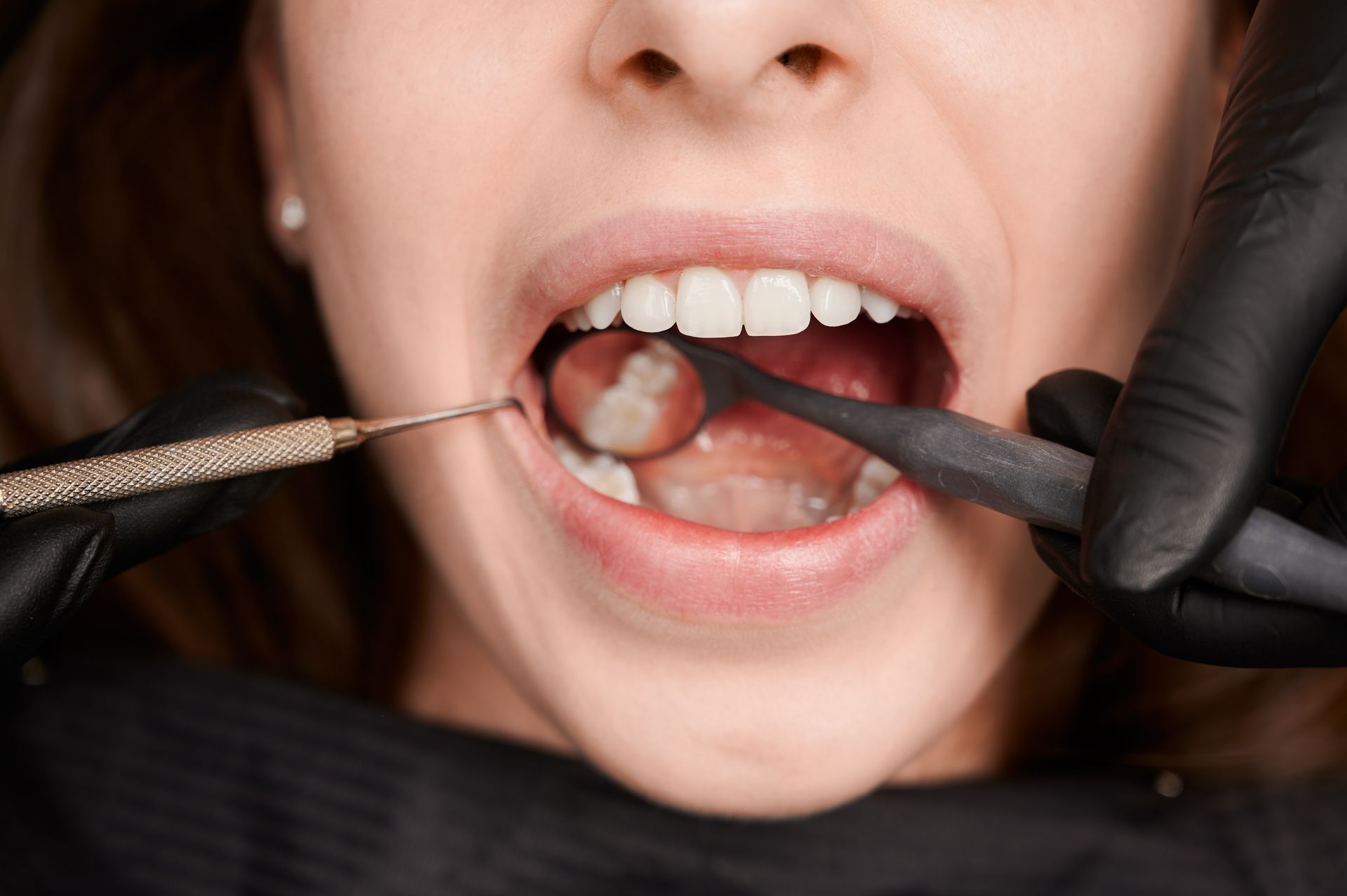
The world of dentistry can be a maze of terms and toothy mysteries, and one common source of confusion is the distinction between molars and wisdom teeth. Are they interchangeable, or do they have distinct roles in our dental lineup? Let's embark on a journey through dental anatomy to uncover the truth.

Understanding Molars:
The Powerhouses of Chewing
Molars are a type of tooth characterized by their broad, flat crowns with multiple cusps designed for grinding and chewing food. Typically, adults have a total of 12 molars—three on each side of the upper and lower jaw. They play a crucial role in breaking down food into smaller, digestible particles.

Molars are further categorized into:

First Molars: These are the earliest molars to emerge and are often referred to as the "6-year molars."

Second Molars: Positioned behind the first molars, they usually appear around the ages of 11-13.

Unraveling the Mystery of Wisdom Teeth: The Third Molars
Now, let's introduce the enigmatic wisdom teeth, scientifically known as third molars. Wisdom teeth are the last set of molars to erupt, typically emerging in late adolescence or early adulthood—between the ages of 17 and 25.

Distinguishing Between Molars and Wisdom Teeth
While all wisdom teeth are molars, not all molars are wisdom teeth. The key distinctions lie in their position and eruption timeline:

Location: Wisdom teeth are the furthest back in the mouth, one at the end of each quadrant. In contrast, the first and second molars are closer to the front of the mouth.

Eruption Time: Wisdom teeth tend to erupt later in life, often causing a bit of a stir as they make their entrance during early adulthood.

The Wisdom Tooth Conundrum: To Extract or Not to Extract?
Wisdom teeth don't always emerge without complications. Due to factors like insufficient space, misalignment, or impaction, they may need to be extracted to prevent issues such as crowding, pain, or infection.

Conclusion: Molars and Wisdom Teeth – A Unified, Yet Distinct Ensemble
In essence, wisdom teeth are a unique subset of molars, serving a similar function in the chewing process but distinguished by their later eruption and specific location at the back of the mouth. Understanding this dental duality allows for better oral health management and informed decisions regarding dental care.

As with any dental matter, consulting with your dentist is crucial. Regular check-ups and discussions about your dental anatomy can help tailor a plan that ensures the health and longevity of your entire toothy ensemble, from the incisors to the molars and, yes, the mysterious wisdom teeth too. Embrace the complexities of your dental landscape, and let your radiant smile shine through! 
By Dr Bindiya Gatg February 22, 2026
Are molars and wisdom teeth the same? Learn the difference, sizes, eruption age, and when removal is needed. Expert dentist in Manvel TX at Perk Dental.
By Dr Bindiya Gatg February 2, 2026
When it comes to restoring a damaged tooth, patients often wonder whether a dental crown or a filling is the better option. Choosing the right treatment depends on the extent of the damage, the tooth’s location, and long-term oral health considerations. At Perk Dental in Manvel, TX, we guide you through these choices, ensuring that your smile remains healthy, functional, and beautiful. Understanding Dental Fillings Dental fillings are among the most common treatments for minor to moderate tooth decay or damage. A filling involves removing the decayed portion of a tooth and replacing it with a material such as composite resin, amalgam, gold, or ceramic . When Fillings Are Ideal: Small cavities or minor chips: Fillings restore the structure without altering the entire tooth. Cost-effective and quick: Most fillings can be completed in a single visit. Preserves natural tooth: Only the decayed portion is removed, keeping most of your original tooth intact. Limitations of Fillings: Not suitable for extensive damage: If a tooth is cracked or has a large cavity, a filling may not provide adequate support. Shorter lifespan for large cavities: Fillings can wear down or crack under heavy chewing pressure, especially if the decay is significant. At Perk Dental, we use high-quality composite materials for fillings, ensuring a natural appearance and strong bite support. Understanding Dental Crowns A dental crown, also known as a cap, covers the entire tooth , providing protection and restoring strength, shape, and function. Crowns are typically made from ceramic, porcelain-fused-to-metal, or metal alloys . When Crowns Are Ideal: Extensive tooth damage: Crowns are the best solution for teeth weakened by decay, fractures, or after a root canal. Protects the tooth long-term: Crowns distribute chewing forces evenly, preventing further damage. Improves appearance: Modern crowns match the color, shape, and size of your natural teeth. Limitations of Crowns: More expensive than fillings: Crowns require more materials and labor. Multiple visits required: Preparation, impressions, and fitting may take 2–3 appointments. Tooth reduction needed: A portion of the natural tooth must be shaped to accommodate the crown. At Perk Dental, we specialize in custom crowns that provide durability and natural aesthetics. Our patients often report increased confidence in both function and appearance after getting a crown. Key Factors in Choosing Between Fillings and Crowns Extent of Damage: Minor cavities or chips usually require a filling, while severely fractured or decayed teeth often need a crown. Location of the Tooth: Teeth that endure more chewing pressure (molars) may benefit from crowns for extra strength. Longevity and Durability: Crowns generally last 10–15 years or more , whereas fillings may need replacement after 5–10 years depending on wear and oral habits. Aesthetic Concerns: Both fillings and crowns can be made to match your natural teeth, but crowns often provide a better overall appearance for visible teeth. Oral Health Considerations: If the tooth has undergone a root canal or has a large cavity, a crown is often the recommended choice to prevent further complications. Why Choose Perk Dental in Manvel, TX? At Perk Dental, we combine advanced dental technology, experienced staff, and patient-centered care to help you make the best decision for your oral health. Here’s why our patients trust us: Five-Star Rated on Google: Our commitment to quality and care is reflected in our reviews. Personalized Treatment Plans: We evaluate each tooth individually and recommend the most effective solution. High-Quality Materials: From composite fillings to ceramic crowns, we use materials that last and look natural. Comfortable and Efficient Procedures: Our modern clinic ensures minimal discomfort and precise results. Whether you need a simple filling or a custom dental crown , we ensure your treatment is tailored to your needs, preserving both function and aesthetics. Preventive Measures to Protect Your Restorations After restoring your tooth, maintaining oral hygiene is essential for longevity. Some tips include: Brushing twice daily with fluoride toothpaste. Flossing to remove debris between teeth. Regular dental check-ups every 6 months. Avoiding excessive sugar and acidic foods to prevent further decay. Wearing a mouthguard if you grind your teeth or play sports. Proper care can help your fillings last for many years and your crowns even longer. Final Thoughts Deciding between a dental filling and a crown depends on the extent of the damage, location, and long-term goals for oral health. Minor damage may only require a filling, while a crown is ideal for severely weakened or fractured teeth . At Perk Dental in Manvel, TX , our experienced team evaluates each case thoroughly, providing solutions that restore both function and confidence . With advanced materials, modern techniques, and a patient-first approach, we ensure your smile stays healthy and strong for years to come. Don’t wait for tooth damage to worsen. Schedule a consultation today and discover whether a crown or filling is the best choice for your smile.
By Dr Bindiya Gatg January 12, 2026
Learn how often children should visit the dentist for healthy teeth. Expert pediatric care and tips from Perk Dental in Manvel, TX.
By Dr Bindiya Gatg January 3, 2026
Discover when a deep dental cleaning is necessary and how it protects your gums. Expert tips from Perk Dental in Manvel, TX.
By Dr Bindiya Gatg December 13, 2025
Are your teeth suddenly sensitive to hot, cold, or sweets? Learn causes of sudden tooth sensitivity and how Perk Dental in Manvel, TX can help relieve it fast.
By Dr Bindiya Gatg December 2, 2025
Experiencing sudden tooth sensitivity? Discover its common causes and how Perk Dental in Manvel, TX can help relieve discomfort and protect your enamel.
By Dr Bindiya Gatg November 9, 2025
The teenage years come with new responsibilities — including taking care of oral health. Between busy school schedules, sports, and social life, dental care can easily fall to the bottom of the list. But neglecting oral hygiene during these years can lead to long-term dental problems. At Perk Dental in Manvel, TX , we often see a few recurring dental concerns among teens — most of which are preventable with early care and proper habits. 1. Cavities and Tooth Decay One of the most common dental issues in teens is tooth decay . Sugary snacks, sodas, and energy drinks are often part of a teen’s daily routine. When sugar and bacteria combine, they form acids that eat away at tooth enamel. Even with brushing, teens sometimes miss hard-to-reach areas — especially around molars or braces — allowing plaque to build up. Prevention Tip: Encourage your teen to brush twice a day with fluoride toothpaste and floss daily. Regular dental cleanings every six months at Perk Dental can catch early decay before it becomes a cavity. 2. Gum Disease (Gingivitis) Teens are not immune to gum problems. Gingivitis , an early stage of gum disease, occurs when plaque buildup irritates the gums. Symptoms include redness, swelling, and bleeding when brushing or flossing. Hormonal changes during puberty can make gums more sensitive and prone to inflammation. Prevention Tip: Consistent brushing, flossing, and professional cleanings help keep gums healthy. If your teen’s gums bleed regularly, schedule an exam right away. 3. Orthodontic Issues Crowded, crooked, or misaligned teeth are another common concern for teens. Orthodontic treatments such as braces or Invisalign are often recommended during these years since the jaw is still developing. Proper alignment not only improves appearance but also makes cleaning easier and reduces the risk of tooth decay and jaw discomfort. Perk Dental offers referrals and guidance for orthodontic care tailored to your teen’s needs. 4. Wisdom Teeth Problems As teenagers grow, wisdom teeth begin to emerge — often around ages 16 to 19. These third molars can cause pain, swelling, or crowding if there’s not enough space in the mouth. Impacted wisdom teeth can also lead to infections or damage to neighboring teeth. Solution: Routine X-rays at Perk Dental allow our dentists to monitor wisdom teeth development and plan safe extractions if necessary.
By Dr Bindiya Gatg October 21, 2025
Learn why delaying dental visits can harm your oral and overall health. Visit Perk Dental in Manvel, TX, for preventive care that protects your smile.
By Dr Bindiya Gatg September 23, 2025
Struggling with dental anxiety? Discover gentle dentistry options at Perk Dental in Manvel, TX. We offer nitrous oxide, IV sedation, and comfort-focused care from a compassionate team.
By Dr Bindiya Gatg September 12, 2025
Looking for the best dentist in Pearland, TX? Perk Dental offers gentle dental care with advanced technology, family-friendly services, and glowing patient reviews.