A Comprehensive Look at Dental Sealants vs Fillings

A Comprehensive Look at Dental Sealants vs Fillings
Introduction


The world of dentistry has evolved significantly over the years, offering a variety of solutions to common dental problems. Two such solutions that have sparked debates among patients and professionals alike are dental sealants and fillings. This blog post aims to shed light on the debate surrounding dental sealants vs fillings, helping you understand which one may be better for your specific needs.


Understanding Dental Sealants


Before diving into the comparison, it's essential to understand what dental sealants are. Dental sealants are thin, plastic coatings applied to the chewing surfaces of the back teeth (molars and premolars) to prevent tooth decay. They work by sealing off grooves and depressions on these surfaces where food particles and bacteria can hide, reducing the risk of cavities.


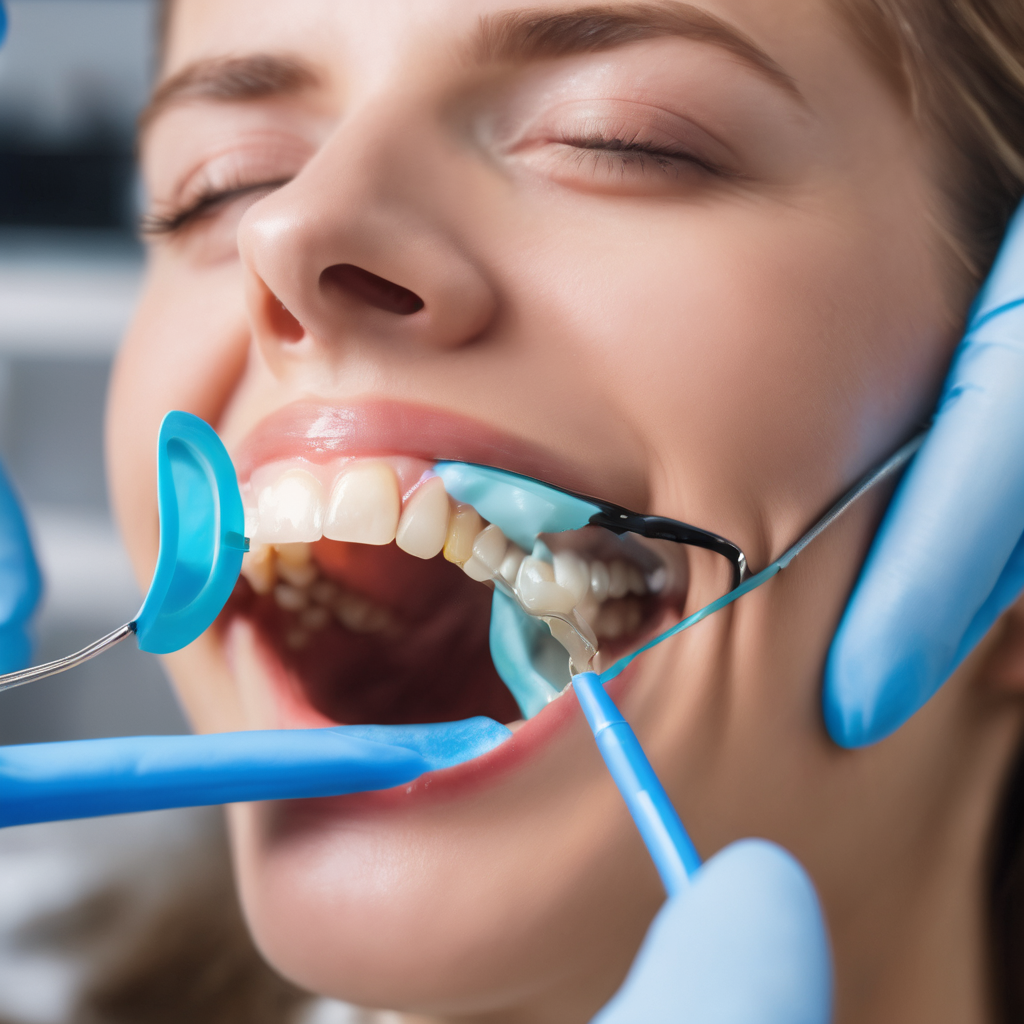
The application process is simple and painless. The dentist will clean your teeth, dry them, apply an acidic gel to roughen up your tooth surfaces for better bonding, rinse off the gel, dry your teeth again, apply the sealant onto the tooth enamel, and then harden it with a special blue light.


The Benefits of Dental Sealants


Dental sealants offer several benefits. First off, they're highly effective in preventing tooth decay. According to the American Dental Association (ADA), sealants can reduce the risk of decay by nearly 80% in molars. This is particularly beneficial for children who are more prone to cavities.


Secondly, they're cost-effective. While there's an upfront cost involved in getting dental sealants, they can save you money in the long run by preventing expensive treatments like fillings or crowns that may be needed if cavities develop.


Lastly, applying dental sealants is a non-invasive procedure with no discomfort involved – a big plus for those who dread visiting their dentist!


Understanding Dental Fillings


On the other hand, dental fillings are used to restore teeth damaged by decay back to their normal function and shape. When a dentist gives you a filling, they first remove the decayed tooth material, clean the affected area, and then fill the cleaned-out cavity with a filling material.


There are several types of filling materials available, each with their own advantages and disadvantages. These include gold, porcelain, silver amalgam, plastic, and composite resin fillings.


The Benefits of Dental Fillings


Dental fillings also come with their set of benefits. They effectively restore the function and integrity of decayed teeth. They're durable and can last many years before needing replacement.


Moreover, with advancements in dental technology, there are now tooth-colored fillings available that blend seamlessly with your natural teeth for a more aesthetic look.


Dental Sealants vs Fillings: Which is Better?


The question remains: Are sealants better than fillings? The answer isn't as straightforward as you might think because it largely depends on your specific dental needs.


If your goal is prevention – particularly if you or your child has deep grooves in your molars and premolars that are hard to clean – then dental sealants would be an excellent choice. They're preventive measures that stop cavities before they start.


However, if you already have a cavity or tooth decay, then a filling is necessary to restore your tooth's health. Sealants can't reverse existing decay; they can only prevent new cavities from forming.


In Conclusion


In the debate of dental sealants vs fillings, it's not about which one is universally better than the other; it's about which one is more suitable for your specific situation. Both have their unique benefits and applications.


To determine whether you need sealants or fillings (or both), it's best to consult with your dentist. They can evaluate your oral health condition and recommend the most appropriate treatment for you. After all, the ultimate goal is to maintain a healthy, happy smile!
By Dr Bindiya Gatg December 13, 2025
Are your teeth suddenly sensitive to hot, cold, or sweets? Learn causes of sudden tooth sensitivity and how Perk Dental in Manvel, TX can help relieve it fast.
By Dr Bindiya Gatg December 2, 2025
Experiencing sudden tooth sensitivity? Discover its common causes and how Perk Dental in Manvel, TX can help relieve discomfort and protect your enamel.
By Dr Bindiya Gatg November 9, 2025
The teenage years come with new responsibilities — including taking care of oral health. Between busy school schedules, sports, and social life, dental care can easily fall to the bottom of the list. But neglecting oral hygiene during these years can lead to long-term dental problems. At Perk Dental in Manvel, TX , we often see a few recurring dental concerns among teens — most of which are preventable with early care and proper habits. 1. Cavities and Tooth Decay One of the most common dental issues in teens is tooth decay . Sugary snacks, sodas, and energy drinks are often part of a teen’s daily routine. When sugar and bacteria combine, they form acids that eat away at tooth enamel. Even with brushing, teens sometimes miss hard-to-reach areas — especially around molars or braces — allowing plaque to build up. Prevention Tip: Encourage your teen to brush twice a day with fluoride toothpaste and floss daily. Regular dental cleanings every six months at Perk Dental can catch early decay before it becomes a cavity. 2. Gum Disease (Gingivitis) Teens are not immune to gum problems. Gingivitis , an early stage of gum disease, occurs when plaque buildup irritates the gums. Symptoms include redness, swelling, and bleeding when brushing or flossing. Hormonal changes during puberty can make gums more sensitive and prone to inflammation. Prevention Tip: Consistent brushing, flossing, and professional cleanings help keep gums healthy. If your teen’s gums bleed regularly, schedule an exam right away. 3. Orthodontic Issues Crowded, crooked, or misaligned teeth are another common concern for teens. Orthodontic treatments such as braces or Invisalign are often recommended during these years since the jaw is still developing. Proper alignment not only improves appearance but also makes cleaning easier and reduces the risk of tooth decay and jaw discomfort. Perk Dental offers referrals and guidance for orthodontic care tailored to your teen’s needs. 4. Wisdom Teeth Problems As teenagers grow, wisdom teeth begin to emerge — often around ages 16 to 19. These third molars can cause pain, swelling, or crowding if there’s not enough space in the mouth. Impacted wisdom teeth can also lead to infections or damage to neighboring teeth. Solution: Routine X-rays at Perk Dental allow our dentists to monitor wisdom teeth development and plan safe extractions if necessary.
By Dr Bindiya Gatg October 21, 2025
Learn why delaying dental visits can harm your oral and overall health. Visit Perk Dental in Manvel, TX, for preventive care that protects your smile.
By Dr Bindiya Gatg September 23, 2025
Struggling with dental anxiety? Discover gentle dentistry options at Perk Dental in Manvel, TX. We offer nitrous oxide, IV sedation, and comfort-focused care from a compassionate team.
By Dr Bindiya Gatg September 12, 2025
Looking for the best dentist in Pearland, TX? Perk Dental offers gentle dental care with advanced technology, family-friendly services, and glowing patient reviews.
By Dr Bindiya Gatg August 22, 2025
Explore the benefits of sedation dentistry at Perk Dental in Manvel, TX. Safe, solutions for dental anxiety & complex procedures. Book your consultation today!
By Dr Bindiya Gatg August 13, 2025
Discover why Perk Dental is Manvel’s top choice for gentle, family-friendly dentistry. Read patient reviews and explore our range of services.
By Dr Bindiya Gatg July 31, 2025
No dental insurance? Perk Dental in Manvel, TX offers affordable care through flexible payments & membership plans. Get the treatment you need today.
By Dr Bindiya Gatg July 24, 2025
Discover affordable Invisalign treatment at Perk Dental in Manvel, TX. Explore benefits, membership discounts & flexible payment plans.